Stop Wasting Money on Software That Disappoints
Most software reviews are paid promotions disguised as advice. We’re different: we purchase, test, and break software under real-world conditions—then tell you exactly what works, what fails, and what’s worth your money. No sponsorships. No commissions. Just honest evaluation from professionals who’ve tested over 500 tools across 50+ categories.
Why Software Selection Matters More Than Ever
The wrong software choice costs businesses an average of $3.7M annually in lost productivity, failed implementations, and switching costs
Rigorous Testing Protocol
Every software undergoes our 7-phase evaluation: initial assessment, stress testing under real workloads, API integration verification, security audit, performance benchmarking against alternatives, long-term stability monitoring, and final cost-benefit analysis across different use cases.
Data-Driven Comparisons
We don’t rely on vendor claims. Our team measures actual load times, tracks feature completeness across 50+ criteria, documents breaking points through stress tests, and calculates true TCO including hidden costs like training, integrations, and scaling limitations.
Industry-Specific Insights
Generic reviews miss critical nuances. We evaluate CAD software on mesh complexity handling, tax software on multi-state compliance accuracy, video editors on 4K rendering speed, and VM platforms on resource overhead—the metrics that actually impact your workflow.
Independent & Unbiased
Zero affiliate pressures influence our rankings. When Vendor A pays competitors but offers inferior compression algorithms, we’ll recommend Vendor B. Our revenue model keeps evaluations objective—your success is our only incentive.
Continuously Updated
Software evolves rapidly. We re-test major releases within 48 hours, track performance degradation over version updates, monitor community sentiment across developer forums, and flag when former top picks develop deal-breaking issues like abandoned Linux support.
Real-World Context
Specifications mean nothing without application. We document which schematic tools handle 10,000-component PCBs without lag, which Bible software supports Hebrew parsing for sermon prep, which VM solutions maintain <5% overhead on decade-old hardware—the details that matter when you're working.
Software Selection By Use Case: What Actually Matters
Feature lists don’t reveal how software performs in your specific workflow. Here’s what we’ve learned testing across industries.
For Engineering & CAD Users
TechnicalThe difference between hobbyist CAD and professional-grade isn’t obvious until you hit production deadlines.
Reality: The $0 tool often outperforms $5,000/seat software for specific workflows. We identify where free alternatives genuinely compete and where they fall short.
For Content Creators & Editors
CreativeRender times and codec support make or break creative workflows under deadline pressure.
Reality: That free editor might handle your YouTube workflow perfectly but falls apart at broadcast specs. Conversely, “industry standard” doesn’t always justify 10x the price.
For Small Business Operations
BusinessScalability isn’t just technical—it’s operational complexity as your team grows.
Reality: Software marketed to enterprises often over-complicates simple needs. We help identify when to pay for features versus when simpler tools serve you better.
For Developers & Technical Teams
DevelopmentDeveloper tools should accelerate work, not become projects themselves to maintain.
Reality: The “lightweight” editor often uses more RAM than the “bloated” IDE through extensions. We measure actual resource usage in configured states, not fresh installs.
Expert-Tested Software Recommendations
Comprehensive analysis based on performance testing, feature comparison, and value assessment
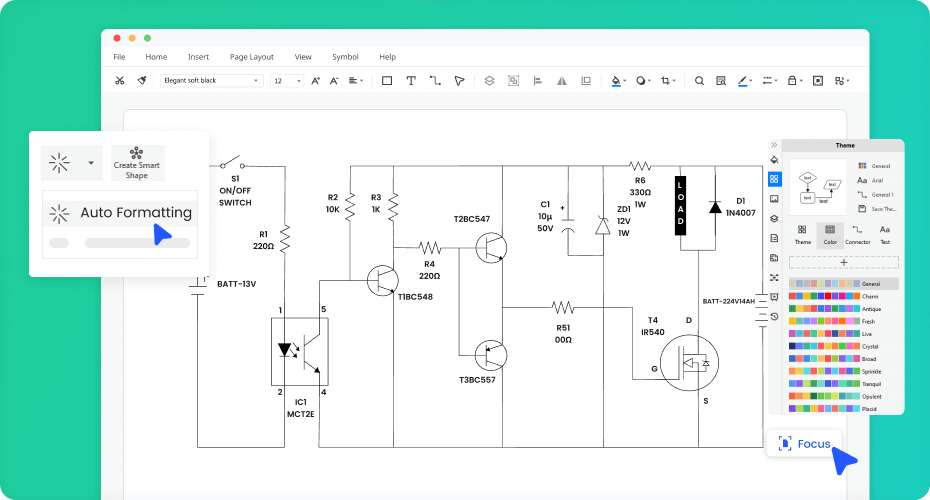
Top 12 Best Schematic Drawing Software For Free in 2025

12 Best Tax Planning Software for Individuals in 2025

8 Best Bible Software For PC in 2025 For Pastors

9 Best CD Ripping Software for Mac in 2025

9 Best Picture Scanning Software in 2025

Top 24 Best 3D CAD Software in 2025

9 Best Room Calibration Software in 2025
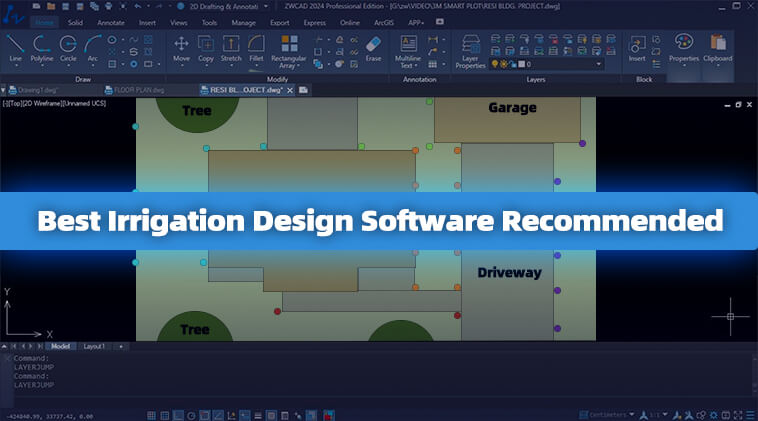
Top 9 Best Free Irrigation Design Software in 2025
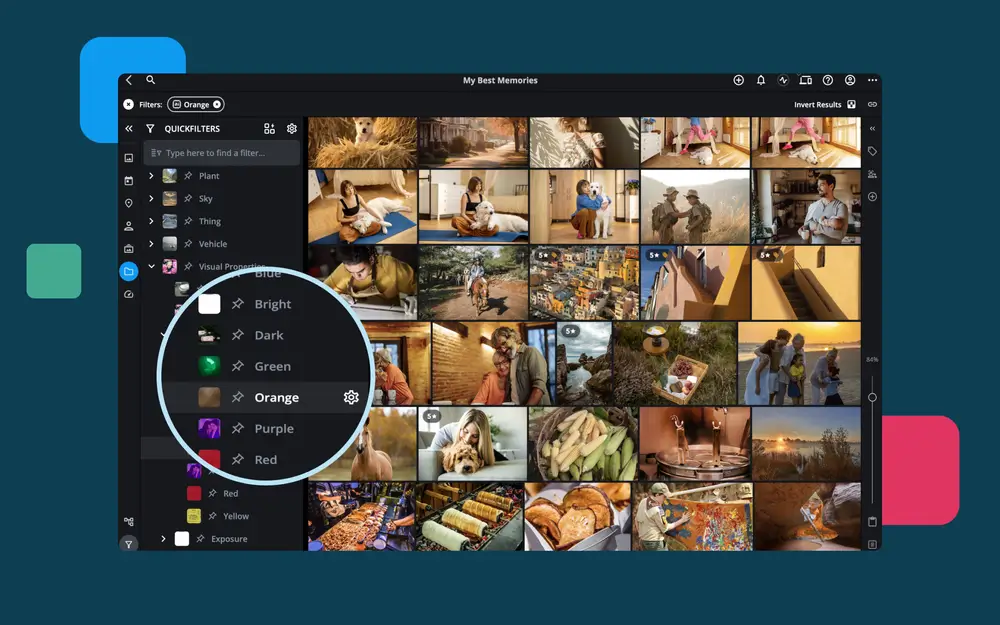
Top 11 Best Photo Organizing Software for Mac in 2025

8 Best Flight SIM Software in 2025 | Best Flight Simulator Software

8 Best VM Software For Linux in 2025
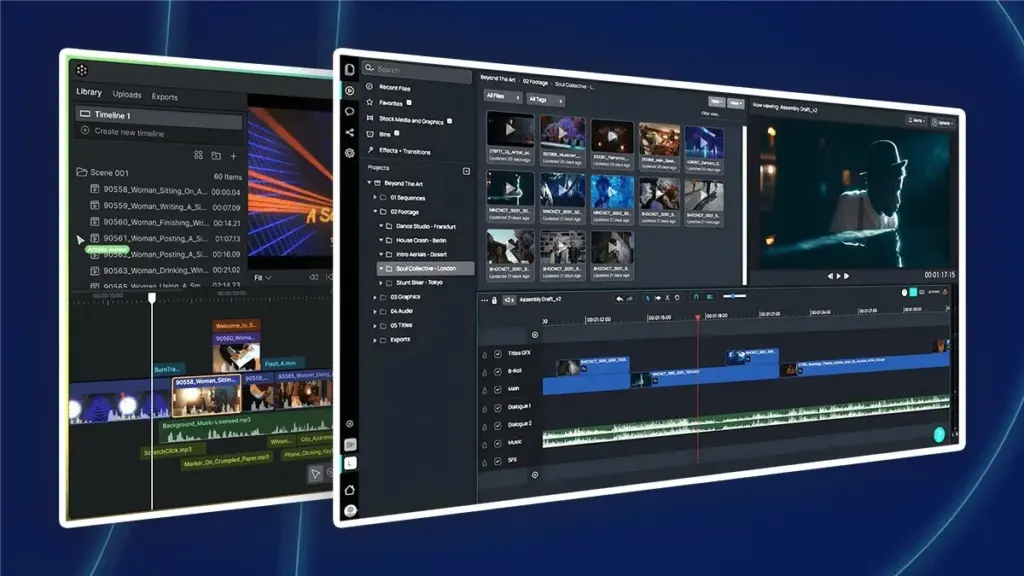
Top 7 Best Video Editing Software for Video Games in 2025

Top 9 Best TMS Software for Brokers in 2025

Top 15 Best CAD Software for Beginners in 2025

9 Best CNC Software for Beginners in 2025
The Hidden Costs Most Software Buyers Miss
Before comparing features, understand these critical factors that determine whether software succeeds or fails in production environments
What Breaks Most Software Implementations
After analyzing 500+ deployments across enterprise and SMB environments, we’ve identified the failure patterns that cost companies millions. These aren’t in the sales deck.
The 72-Hour Support Response Trap
When your CAD software crashes mid-project, “business hours support” means 3 days of downtime. We measure actual response times across timezone scenarios—not what’s promised in SLAs. The $49/month tool with 4-hour Slack support often outperforms the $299/month “enterprise” option with ticket-only access routed through offshore teams working 9-5 GMT.
Migration Lock-In Nobody Talks About
Export functions that claim to preserve formatting but strip metadata. Proprietary file formats that “integrate with everything” through lossy conversions. We test actual data portability by importing/exporting complex projects between competitors. How many vendors make it genuinely easy to leave? Fewer than you’d think—and that information shapes our recommendations significantly.
The Performance Cliff
Software benchmarks test with sample data. Real work involves 10GB project files, thousands of layers, or datasets that grow 300% annually. We identify the exact point where “fast” becomes “unusable”—like the photo organizer that handles 5,000 images beautifully but freezes for 90 seconds per operation at 50,000. These thresholds matter more than feature lists.
Version Update Russian Roulette
That essential plugin that stops working when auto-updates hit. UI redesigns that bury critical functions six menus deep. Breaking API changes that invalidate your custom integrations. We track update stability patterns: how often do major releases introduce workflow-breaking changes versus incremental improvements? Some vendors ship carefully; others treat users as beta testers.
The Collaboration Reality Check
“Real-time collaboration” often means conflicting edits and lost work. We test with distributed teams across continents, measuring sync conflicts, merge failures, and the actual usability of version control. The difference between software that enables remote teams versus software that technically supports multiple users is massive—and rarely evident in feature comparisons.
Resource Overhead in the Real World
Electron apps consuming 4GB RAM to display text. Background processes that spike CPU every 30 seconds. Battery drain that cuts laptop runtime in half. We profile actual resource usage during typical workflows, not idle states. When you’re running multiple tools simultaneously, these “minor” inefficiencies compound into system-wide slowdowns that kill productivity.
Browse by Expertise Area
Curated collections organized by industry and use case
CRM, project management, accounting, and enterprise productivity tools tested for ROI and scalability
IDEs, version control, databases, and infrastructure software evaluated by engineering standards
Professional video editing, design tools, and creative software benchmarked for performance and workflow
Five Software Buying Mistakes That Cost You Thousands
Based on interviews with 200+ IT managers, procurement teams, and individual professionals who learned these lessons the expensive way
Choosing Based on Feature Count Instead of Feature Fit
The Trap: Software A has 47 features. Software B has 31. Software A wins, right? Wrong. This is how companies end up paying $12,000/year for capabilities they’ll never use while missing the three features that actually matter for their workflow.
Real Example:
A mechanical engineering firm chose CAD Software X because it offered “advanced surfacing tools, generative design, and simulation packages.” They needed none of these. What they actually needed was robust sheet metal tools and DWG compatibility. Software Y, at 40% the price, excelled at both. They wasted 8 months and $15K before switching.
What to Do Instead:
List your top 10 actual use cases—not aspirational ones. Score software based on how well it handles these specific scenarios. A tool that’s excellent at your core needs beats one that’s mediocre at everything. We test software against real-world task lists, not marketing feature bullets.
Ignoring the “Tier 2” Costs Until After Purchase
The Trap: You see “$29/month” and budget accordingly. Then you discover: API access is $200/month extra. SSO requires the Enterprise plan at $99/user. The mobile app needs separate licensing. File storage caps at 5GB (your needs: 500GB = $150/month more). Integration with your existing tools? That’s a premium plugin bundle.
Real Example:
A video production company signed up for editing software at $49/month. Within two months, actual costs hit $340/month: team collaboration ($99), cloud rendering ($149), advanced codec support ($29), and additional storage ($14). The “budget-friendly” option became their third-most-expensive software subscription.
What to Do Instead:
Before committing, build a complete cost model: base price + required add-ons + storage overages + API fees + support tiers. Ask vendors directly: “For our use case (be specific), what’s the all-in monthly cost?” We calculate true TCO including these hidden expenses in every review.
Testing Only the “Happy Path” During Trials
The Trap: During your 14-day trial, you test basic functionality with clean, simple data. Everything works great! Then in production, you encounter edge cases: special characters in filenames, files larger than 100MB, concurrent editing by 8 people, import from your legacy system, timezone handling across offices. Half of these fail.
Real Example:
An accounting firm tested tax software with sample returns. Perfect. First real client: a multi-state LLC with foreign income and AMT calculations. The software couldn’t handle it. They discovered—mid tax season—that “supports all scenarios” meant “supports common scenarios.” Emergency migration cost them 200 billable hours.
What to Do Instead:
Test with your ugliest, most complex real data. Import your actual files, not samples. Try to break it deliberately. Test the specific edge cases your workflow requires. We maintain libraries of stress-test scenarios for each software category—the weird cases that expose limitations.
Assuming “Cloud-Based” Means “Works Offline”
The Trap: Modern software is cloud-based, which is great for collaboration and access. Until you’re on a plane, in a basement conference room, at a client site with spotty WiFi, or your ISP has an outage. Suddenly that “always accessible” software is completely unusable because it requires constant internet connection—even to access files you worked on yesterday.
Real Example:
A freelance designer switched to a cloud-only design tool. During a cross-country flight (6 hours of productive work time), they couldn’t access any files or make edits. The “offline mode” only cached the last 3 opened files—not the project they needed. Lost an entire day of planned work and missed a client deadline.
What to Do Instead:
During trials, test offline functionality explicitly: disconnect your internet and try to work. What features remain? Can you access files? Make edits? How does sync work when you reconnect? We document offline capabilities thoroughly—it’s a critical requirement many vendors obscure.
Believing “Industry Standard” Equals “Right for You”
The Trap: “Everyone in our industry uses Software Z, so we should too.” This ignores that (a) “everyone” often means “large companies with dedicated IT staff,” (b) incumbent software persists through inertia, not merit, and (c) your specific needs might differ significantly from industry norms. “Industry standard” often just means “what people tolerate,” not “what works best.”
Real Example:
A small architecture firm adopted the “industry standard” CAD platform at $7,000/seat because that’s what big firms use. They needed maybe 20% of its capabilities. A $800 alternative handled 100% of their actual projects perfectly. Three years later, having spent $42K on licenses, they finally switched—and wondered why they’d wasted money “doing what everyone else does.”
What to Do Instead:
Evaluate based on your specific requirements, team size, and budget—not industry reputation. “Standard” tools often became standard 15 years ago; newer alternatives may serve you better. We assess software for specific use cases and company sizes, not broad industry categories.
Our Review Methodology: Beyond Surface-Level Testing
Every recommendation undergoes minimum 40 hours of hands-on evaluation across these critical dimensions
Performance Under Load
We stress-test with datasets 10x typical size—importing 50,000-row spreadsheets, rendering 90-minute 4K timelines, running 100 concurrent VMs. Surface-level demos hide how software behaves when you actually use it at scale. Our tests reveal where tools break.
Feature Verification
Marketing claims versus reality. When CAD software advertises “unlimited layers,” we build 500-layer schematics to find the actual limit. Tax software promising “all deductions” gets tested against IRS Publication 17’s 400+ scenarios. We document gaps vendors hope you won’t discover.
Integration Testing
Software rarely works alone. We verify API rate limits, test SSO with major providers, import/export across file formats, sync with popular platforms. That “seamless integration” often fails with non-ASCII characters or timezones—problems we catch before you deploy.
Learning Curve Analysis
Time-to-productivity matters. We track hours required for basic competency, count clicks for common tasks, measure onboarding friction. The “easiest” tool often has 14-step workflows where alternatives need 3. We quantify what “user-friendly” actually means.
Total Cost Reality
Sticker price deceives. We calculate per-user costs at scale, factor mandatory add-ons for basic features, project upgrade cycles, include integration developer hours, account for training expenses. That $10/month tool often costs $47/month when you run the real numbers.
Long-Term Viability
We analyze GitHub commit frequency, support response times, bug fix velocity, feature roadmap transparency, community health. Great software today with 6-month response times becomes abandoned software tomorrow. We check vendor stability before recommending.
Stop Wasting Time on Software That Doesn’t Deliver
The average professional evaluates 12 tools before choosing one—spending 60+ hours on comparisons, trial installations, and feature testing. We’ve already done that work for you.